
Spain has become one of Europe's most attractive destinations for international property buyers. From the sunny beaches of the Costa Blanca to the sophisticated resorts of the Costa del Sol, thousands of international buyers are looking to buy property in Spain for holidays, retirement, relocation, rental income, and long-term investment.
The Spanish property market offers a wide range of opportunities, but one important decision can significantly affect the overall cost and potential return of your investment: should you buy a new-build property in Spain or a resale property?
Both options can be excellent investments. However, they come with different purchase costs, taxes, maintenance requirements, rental opportunities, and potential for capital growth. A modern new-build property in Spain may offer energy efficiency, lower maintenance, and attractive communal facilities, while a resale property in Spain can provide better value, established locations, and opportunities to add value through renovation.
So, which is the better investment?
The answer depends on your budget, investment strategy, preferred location, rental objectives, and how long you plan to own the property. This guide compares new build and resale properties in Spain so you can make a more informed decision before investing in Spanish real estate.
What Is a New Build Property in Spain?
A new build property is a home purchased directly from a property developer. It may already be completed, under construction, or sold off-plan before construction has finished. In Spain, new build properties are commonly referred to as "obra nueva."
Modern developments are particularly popular along the Costa Blanca and Costa del Sol, as well as in areas such as Alicante, Marbella, Estepona, Orihuela Costa, Jávea, Altea, and Murcia.
New developments often include modern features and shared facilities such as swimming pools, landscaped gardens, underground parking, gyms, children's play areas, security systems, co-working areas, and smart-home technology.
For international buyers looking for a low-maintenance holiday home in Spain or a modern rental property, these features can be particularly attractive.
New homes are also constructed according to current building standards and generally offer improved insulation, modern electrical and plumbing systems, energy-efficient appliances, and more efficient heating and cooling systems.
What Is a Resale Property in Spain?
A resale property is a home that has previously been owned by another person. In Spanish property listings, this is often described as "segunda mano", meaning second-hand property.
Resale properties can include apartments, villas, townhouses, traditional Spanish homes, and country houses. They range from relatively modern properties to homes that are several decades old.
One of the biggest advantages of buying resale property is the choice of established locations. Many resale homes are located close to beaches, restaurants, schools, shops, golf courses, transport links, and town centres.
Some properties also offer architectural character that is difficult to find in modern developments. Traditional Spanish homes may feature larger terraces, mature gardens, original architectural details, and a more authentic Mediterranean atmosphere.
For buyers searching for a house for sale in Spain in a prime established location, resale properties can therefore offer significant advantages.
New Build vs Resale Property: What Is the Real Difference?
At first glance, the difference is straightforward. With a new build, you are buying a property directly from a developer and becoming its first owner. With a resale property, someone has owned the home before.
However, this difference affects much more than the age of the property.
The purchase tax, condition of the property, potential renovation costs, maintenance requirements, rental strategy, construction risk, and even how quickly you can start generating rental income can all be different.
This is why buyers should look beyond the advertised property price when comparing new build vs resale property in Spain.
Purchase Price: Which Is More Affordable?
The asking price is one of the first things buyers consider when looking at property for sale in Spain. However, the cheapest property on the listing page is not necessarily the cheapest investment overall.
New build properties often have a higher purchase price because buyers are paying for modern construction, energy efficiency, contemporary design, developer warranties, and communal facilities.
A resale property may provide more space or a better location for the same budget.
For example, an older apartment in an established coastal area could potentially offer better access to the beach and town centre than a similarly priced new development located further inland.
However, a lower purchase price does not automatically mean a better investment. If the resale property requires significant renovation, the final investment cost could become considerably higher.
Property Taxes in Spain: New Build vs Resale
One of the most important differences between buying a new-build and resale property in Spain is the taxation.
When buying a new residential property directly from a developer, buyers generally pay 10% VAT (IVA). In addition, Stamp Duty (AJD) applies, with the exact rate depending on the autonomous region.
Resale properties are generally subject to Property Transfer Tax (ITP) instead of VAT. The ITP rate varies between Spain's autonomous communities.
This means the tax difference can be significant depending on where you purchase.
For example, the source comparison shows that on a €300,000 property, a new build in Madrid would involve approximately €32,250 in VAT and AJD, compared with around €18,000 in ITP for a resale property. In Valencia, the difference is considerably smaller because the resale tax rate is closer to the combined new-build taxes.
This is why anyone planning to buy property in Spain should calculate the complete purchase cost for the specific region rather than relying on a general national estimate.
[Source]
Additional Costs When Buying Property in Spain
Taxes are only part of the total purchase cost. Both new build and resale buyers may need to budget for notary fees, Land Registry fees, independent legal fees, mortgage-related costs, valuation fees, and other transaction expenses.
The second source estimates that buyers should generally allow approximately 13% to 15% above the purchase price for a new build and around 10% to 13% for a resale property once the various costs are included.
These figures are useful as planning estimates, but actual costs can vary according to the region, property value, financing arrangements, and individual circumstances.
For international buyers, working with an independent Spanish property lawyer and tax adviser is particularly important before signing a purchase contract.
[Source]
Maintenance Costs: New Build Usually Has the Advantage
One of the strongest arguments for buying a new build property in Spain is lower maintenance risk during the early years. Everything is new, including the plumbing, electrical systems, kitchen, bathrooms, windows, air conditioning, and other major components. This means buyers are generally less likely to face immediate repair bills.
This can be particularly valuable for overseas property investors who live outside Spain and cannot easily manage maintenance problems themselves. Resale properties, particularly older homes, can require more investment. Depending on the property's age and condition, buyers may need to budget for electrical upgrades, plumbing, roofing, air conditioning, kitchen renovations, bathroom improvements, painting, or other repairs.
A major renovation can substantially increase the total investment cost. The source material estimates that renovating an older three-bedroom villa could potentially cost around €30,000 to €60,000 depending on the scope and location. However, renovation should not always be viewed negatively. For experienced investors, buying a property below market value and improving it can create an opportunity to increase both its resale value and rental income.
Energy Efficiency and Running Costs
Energy efficiency is becoming increasingly important for property buyers across Spain. Modern new build homes generally have better insulation, double or triple glazing, energy-efficient appliances, and modern heating and cooling systems. Some developments also incorporate solar panels and other renewable energy solutions.
These features can reduce energy consumption and monthly utility costs. Older resale properties may have poorer insulation and less efficient heating or cooling systems, particularly if they have not been renovated.
The source material also notes that new developments may have lower utility expenses because of their improved energy performance. For investors holding a property for many years, these savings can become an important part of the overall investment calculation.
Developer Guarantees and Buyer Protection
Another advantage of buying new build property is the protection provided through developer warranties. New properties come with legally required guarantees covering different aspects of construction. Structural elements generally have longer protection than finishes and other components.
This can provide additional peace of mind for international buyers who are concerned about unexpected construction problems. Resale properties do not provide the same new-build warranty structure. Instead, buyers need to carefully inspect the property's condition before purchasing. An independent survey and legal due diligence can help identify potential issues before the transaction is completed.
Buying Off-Plan Property in Spain
Many new build properties in Spain are sold off-plan, meaning the property is purchased before construction is complete. Off-plan property can be attractive because buyers may be able to secure a property earlier in the development process, spread payments throughout construction, and sometimes select finishes or upgrades. There can also be opportunities to purchase at an earlier development price before completed properties become available. However, buying off-plan carries additional risks.
Construction delays can affect the expected completion date, and the finished property may not look exactly like the original marketing images or renders. Buyers should therefore carefully investigate the developer's track record and the terms of the purchase contract. The source material also highlights the importance of ensuring that stage payments are properly protected by the required bank guarantee. For international buyers, professional legal advice is essential when purchasing off-plan property in Spain.
Rental Income: Is New Build or Resale Better?
Rental income is one of the biggest reasons international investors invest in Spanish property. Both new build and resale properties can generate attractive rental income, but they appeal to different types of tenants. New build apartments can be particularly attractive to holidaymakers and long-term tenants because of their modern interiors, air conditioning, swimming pools, gyms, parking, security, and energy efficiency. A well-designed new development can therefore command a rental premium compared with an older property in the same area.
The source material estimates that new builds may achieve rental premiums of approximately 5% to 15% over comparable older properties in some circumstances. However, location can easily outweigh the advantages of new construction. A resale apartment in a popular town centre or near the beach may achieve stronger occupancy than a brand-new apartment located further away from restaurants, beaches, shops, and transport. This demonstrates an important rule for property investment in Spain: the best property is not necessarily the newest property. The right location and rental demand matter enormously.
Understanding Rental Yield in Spain
Investors should calculate rental yield before purchasing any Spanish property.
For example, suppose you purchase a property for €300,000 and receive €1,200 per month in rent.
Annual rental income would be:
€1,200 × 12 = €14,400
The gross rental yield would therefore be:
€14,400 ÷ €300,000 × 100 = 4.8%
If a comparable new build generated €1,320 per month, annual rental income would rise to €15,840 and the gross yield would be approximately 5.28%.
However, gross rental yield is only a starting point. Investors should also consider community fees, property tax, insurance, maintenance, management costs, vacancy periods, utilities, and applicable taxes.
This is particularly important when comparing Spanish property investment opportunities.
[Source]
Capital Growth and Long-Term Property Value
Capital appreciation is another major consideration when deciding whether to buy new-build or resale property. New build properties can benefit from modern construction, attractive amenities, and strong initial demand. However, the "brand-new" premium naturally reduces as the property becomes older.
A resale property in a highly desirable location can potentially perform extremely well over the long term, especially where there is limited land available for new construction. Beachfront properties, historic centres, established coastal neighbourhoods, and prime locations with restricted development can have a major advantage because supply is limited. This is why location is often more important than property age when considering long-term capital growth.
Renovating a Resale Property: Risk or Opportunity?
One of the biggest advantages of buying a resale property is the ability to add value. A property that requires modernization may initially look less attractive than a new build. However, an investor who understands the local market can identify properties where renovation creates significant additional value.
Upgrading a kitchen, bathroom, flooring, lighting, outdoor space, or air conditioning can improve the property's appeal to both buyers and tenants. For example, an outdated apartment in a strong Costa Blanca property location may offer more investment potential than a brand-new apartment in a weaker location. The key is to calculate the renovation budget before purchasing. A property that appears cheap can become expensive if major structural or technical work is required.
New Build Property vs Resale Property: Key Comparison
When comparing the two options, the main differences can be summarized simply. New build property in Spain is generally better suited to buyers who prioritize modern construction, energy efficiency, low maintenance, developer warranties, and attractive communal facilities.
Resale property in Spain is generally better suited to buyers who prioritize affordability, established locations, immediate availability, traditional architecture, and renovation opportunities. Neither option is automatically the better investment. The right choice depends on what you want your property to achieve.
Who Should Invest in New Build Property?
A new build property may be particularly suitable for:
First-time international property buyers
Buyers looking for a low-maintenance home
Retirees relocating to Spain
Remote workers
Holiday-home buyers
Investors targeting modern holiday rentals
Buyers interested in energy-efficient property
Investors who prefer predictable maintenance costs
For these buyers, paying a premium for a modern property may be worthwhile because it can reduce maintenance concerns and improve the rental and lifestyle appeal.
Who Should Invest in Resale Property?
A resale property may be a better fit for:
Budget-conscious buyers
Investors seeking established locations
Buyers wanting immediate occupancy
Renovation-focused investors
Buyers looking for traditional Spanish architecture
Investors targeting central coastal areas
Buyers seeking larger properties within a fixed budget
For investors with renovation experience, resale property can also provide an opportunity to purchase below market value and create additional equity.
Best Places to Buy Property in Spain
Spain offers many attractive property markets, but investors should focus on areas with strong demand, good infrastructure, tourism, international communities, and long-term growth potential.
Popular destinations include the Costa Blanca, Costa del Sol, Marbella, Estepona, Alicante, Torrevieja, Orihuela Costa, Jávea, Altea, and Murcia.
The Costa Blanca is particularly popular with international buyers looking for coastal homes, holiday properties, and rental investments. Locations such as Jávea, Altea, Orihuela Costa, and Torrevieja offer a combination of beaches, lifestyle amenities, international communities, and property opportunities.
The Costa del Sol is another major market for real estate in Spain, with strong demand in areas including Marbella and Estepona.
However, buyers should avoid choosing a location simply because it is popular. Rental demand, property prices, infrastructure, accessibility, local regulations, and future development plans should all be considered before investing.
Which Is Better: New Build or Resale Property in Spain?
There is no single answer that applies to every investor. If your priority is lower maintenance, modern design, energy efficiency, and rental appeal, a new build property may be the better option. If your priority is lower entry cost, established locations, immediate rental income, and renovation potential, a resale property may offer better value.
Tax differences can also influence the decision. A resale property may have a lower upfront tax burden in some regions, while the difference can be much smaller in areas where ITP rates are already high. For investors planning to hold the property for 10 years or more, however, the quality of the location, rental demand, property condition, and long-term market potential are likely to matter more than a relatively small difference in the initial tax bill.
How to Choose the Right Property Investment in Spain
Before you buy property in Spain, look beyond the advertised purchase price. Start by calculating the complete acquisition cost, including taxes, legal fees, registration, mortgage costs, and any immediate renovation expenses.
Next, estimate realistic rental income rather than relying on optimistic projections. Compare similar properties in the same neighbourhood and examine both occupancy and achievable rental rates. You should also calculate ongoing costs such as IBI, community fees, insurance, maintenance, property management, utilities, and applicable taxes.
Finally, consider your investment horizon. A property designed for a short-term holiday rental strategy may require a different location and property type than a home intended for long-term capital growth.
Final Thoughts
So, is new build property in Spain a better investment than resale property?
Not necessarily.
New build properties offer clear advantages: modern construction, energy efficiency, lower early maintenance requirements, developer warranties, contemporary facilities, and strong appeal among modern tenants and holidaymakers.
Resale properties offer their own advantages: potentially lower purchase costs, established locations, immediate availability, architectural character, and the opportunity to create value through renovation.
The most important lesson is that the best property investment in Spain is not always the newest or cheapest property. Location, purchase price, rental demand, property condition, ongoing costs, and long-term market potential should all be considered together.
For buyers looking to invest in the Spanish property market, the best approach is to compare the complete numbers for each property rather than making a decision based purely on the headline price.
Whether you choose a modern new build property in Spain or a well-located resale property, Spain continues to offer compelling opportunities for international buyers seeking a combination of lifestyle, rental income, and long-term property investment potential.
Before committing to a purchase, it is wise to work with an experienced local real estate professional, an independent Spanish property lawyer, and a qualified tax adviser. They can help you understand the specific costs, legal requirements, taxation, and risks associated with your chosen property and region.
➡️ Read more of our blog: “How to Start Investing in Spain as a Foreign Buyer”
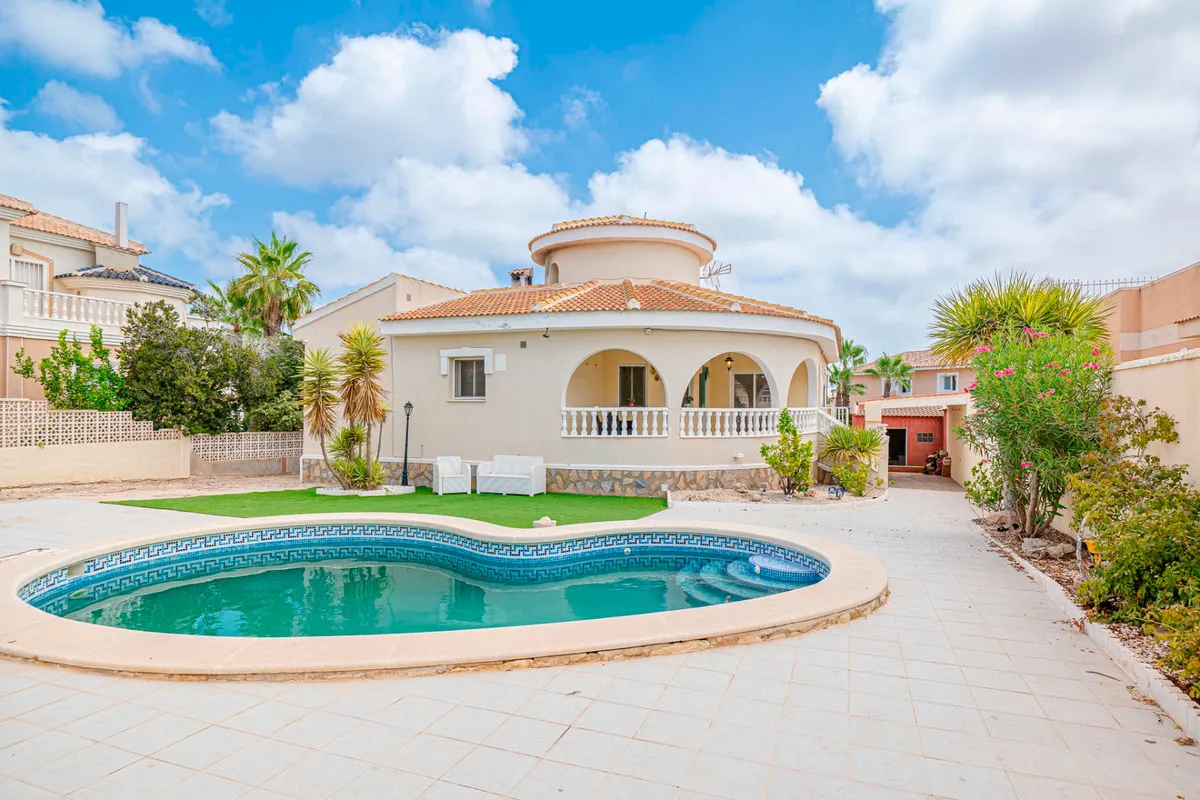
Find Your Ideal Property Investment in Spain
Thinking about buying a new-build or resale property in Spain? Get expert guidance on the best locations, investment opportunities, costs, and properties to match your goals. Explore the Spanish property market and take the next step with confidence.
Related Articles
Dive into specific topics with our detailed guides and articles.
What Documents Do You Need
Discover which documents Dutch buyers need when purchasing a house in Spain. From the NIE number and financial records to property documents, mortgages and the final notarial deed, this guide explains what to prepare before buying.
Read articleLuxury Real Estate Property in Spain
Explore luxury real estate in Spain in 2026, including market trends, investment opportunities, Marbella, Costa del Sol, Costa Blanca and more.
Read articleSpain Property Market 2026
Is 2026 the right time to buy property in Spain? Discover the latest Spain property market trends, price developments, buyer demand, financing options and the best regions to consider before making your move.
Read article