
Spain has always been a favourite destination for Dutch buyers. The sunshine, relaxed pace of life and surprisingly affordable property prices make it an attractive option — whether you're looking for a holiday home, retirement destination or investment property. But buying a house in Spain is a little different from buying one in the Netherlands.
The process involves paperwork, unfamiliar legal requirements, and a property market that operates at its own pace. We've helped hundreds of Dutch buyers on this journey, and we've put together this guide to show you exactly what you need to know.
Understanding the Spanish Property Market
How the Market Differs from the Netherlands
The Spanish property market works differently from what you're used to in the Netherlands. There is no bidding culture here. Prices are generally more negotiable, and the timeline from offer to completion is longer — typically around three months compared to the faster Dutch process.
Popular Regions and Prices
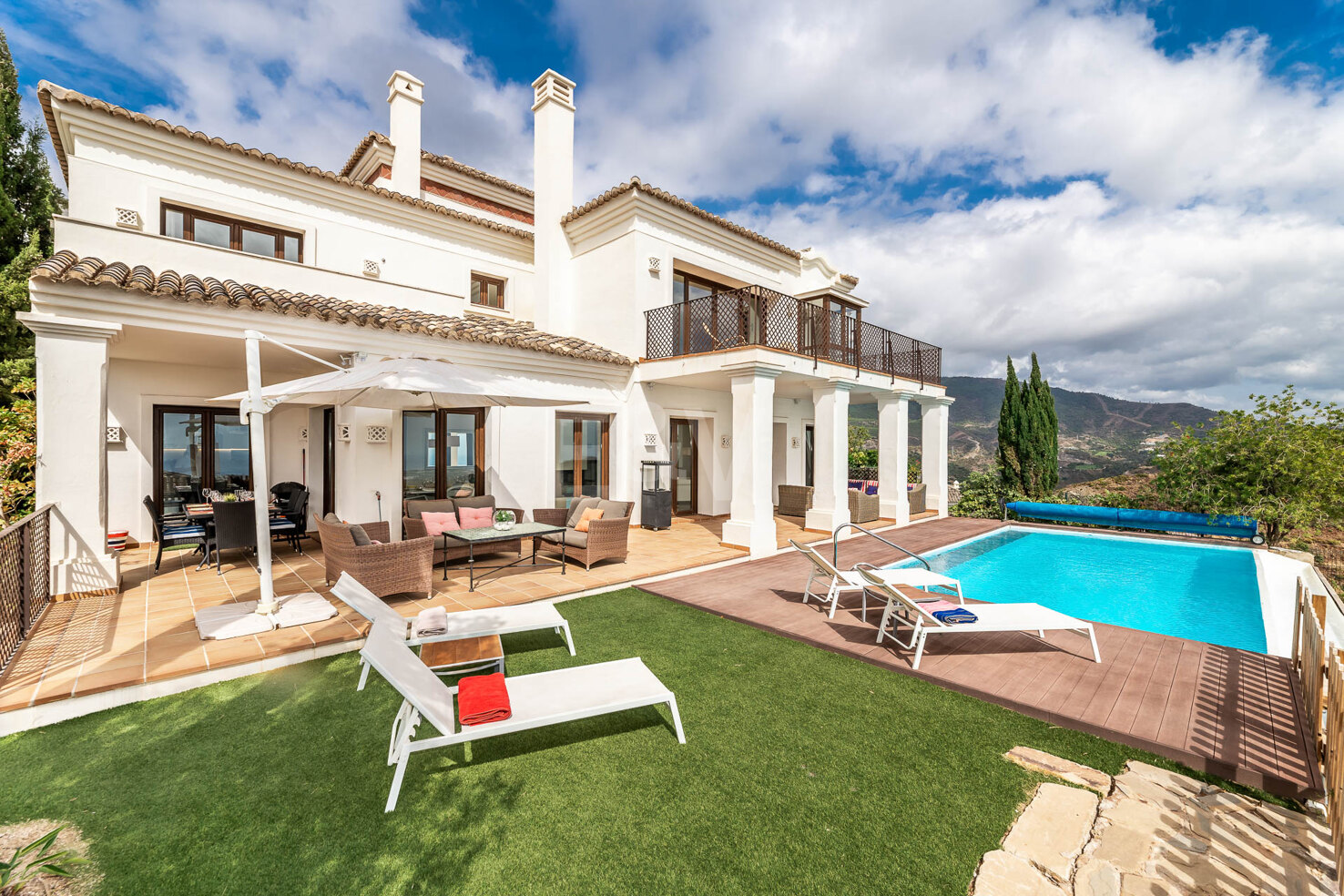
Popular regions for Dutch buyers include the Costa Blanca, Costa del Sol and, increasingly, inland areas such as Valencia and Murcia. Coastal apartments start from around €150,000, while villas with pools in popular expat areas typically range from €300,000 to €600,000. Properties inland can be considerably cheaper if you're willing to live further from the coast.
What surprises many Dutch buyers is how much variation exists within small geographical areas. You can find modern complexes with communal pools right next to traditional Spanish villages, each offering completely different lifestyles at different price points.
Legal and Financial Essentials
Getting Your NIE Number and Bank Account
Before you can buy a property in Spain, you'll need a NIE number (Número de Identidad de Extranjero). This is your Spanish tax identification number, and without it you cannot purchase a property. The application process takes a few weeks, so it's worth starting early.
You'll also need to open a Spanish bank account. Most notaries require this for the property transfer, and it makes paying ongoing bills much easier. The good news is that many Spanish banks now have English-speaking staff, and some even have Dutch-speaking advisers in popular expat areas.
Mortgage Options for Non-Residents
If you need financing, Spanish banks do offer mortgages to non-residents, although typically up to 60–70% of the property value rather than the higher percentages you might obtain in the Netherlands. Interest rates and terms vary, so it's worth shopping around.
Budgeting for Additional Costs
On top of the purchase price, you should budget for additional costs of around 10–12% of the property value. This includes transfer tax (6–10% depending on the region), notary fees, land registry fees and legal costs. These aren't hidden costs, but they do catch people off guard when they compare only the asking price against Dutch property costs.
The Purchase Process Step by Step
From Property Search to Making an Offer
The Spanish purchase process follows a clear pattern once you understand it. Before you even start viewing properties, it helps to know your budget — particularly if you need a mortgage. Spanish banks typically lend 60–70% to non-residents, so knowing your maximum borrowing capacity in advance saves time and allows you to focus on realistic options.
Once you know what you can afford, the property search begins. We create a detailed search profile based on your preferences and verify which properties are actually available. The Spanish market sometimes lists properties that have already sold or been withdrawn, so working with someone who can confirm availability is valuable.
Viewings are crucial. We always recommend seeing properties in person rather than buying based on photos alone. When you visit, you're not just inspecting the property itself — you're experiencing the neighbourhood, checking noise levels, and getting a feel for the area at different times of day. We typically arrange multiple viewings in a single trip to make the most of your time.
When you find a property you like, you make an offer. Unlike in the Netherlands, there is usually room to negotiate. Having someone with local market knowledge negotiate on your behalf often results in a better price. Once the seller accepts, you sign a reservation contract and pay a small deposit (usually €3,000–€6,000) to take the property off the market.
Due Diligence and Legal Checks
Then comes the due diligence phase. This is critical. You need a lawyer to check that the property has a clear title deed, no debts attached, and all the correct permits in place. They also verify that what has been built matches what is registered — which is not always the case in Spain.
Contracts and Completion
After due diligence, you sign a private purchase contract and pay a 10% deposit of the purchase price. This contract is legally binding on both parties. Then comes the administrative and legal phase — coordinating between your lawyer, the notary, the bank if you have a mortgage, and ensuring all paperwork is in order.
Having a network of Dutch-speaking legal and financial experts makes this phase considerably smoother. Documents need to be translated, deadlines need to be tracked, and questions inevitably arise. The coordination alone can be overwhelming when managing everything from the Netherlands while dealing with language barriers.
Finally, you reach the notary appointment where the final deed is signed and ownership is transferred. The remaining balance is paid at this appointment. The entire process typically takes two to three months from accepted offer to receiving the keys, though it can take longer if there are complications with paperwork or if you're arranging a mortgage.
Common Pitfalls to Avoid
The biggest mistake we see Dutch buyers make is skipping proper legal checks to save money. A lawyer might cost €1,500–€2,000, but they can protect you from buying a property with undeclared building works, outstanding debts or legal issues that can cost tens of thousands of euros to resolve.
Many buyers also underestimate ongoing costs. Community fees for apartments and urbanisations can range from €50 to €300+ per month depending on the facilities. Annual property tax (IBI) and rubbish collection charges add more. If you're not renting the property out, you'll also pay non-resident income tax based on the property's cadastral value.
Language barriers cause real problems. Legal documents, notary appointments and communication with town halls take place in Spanish. Misunderstandings at the notary can be stressful and costly. Having someone who speaks both Dutch and Spanish makes the whole process much smoother.
Finally, we've seen people buy properties remotely, based purely on photos and videos. The property might look perfect online, but the neighbourhood, noise levels, actual condition and surroundings can only be properly assessed in person.
Why Working with a Dutch-Speaking Estate Agent Helps
Buying a property in another country means navigating an unfamiliar system in a different language. The entire process — from calculating your borrowing capacity to coordinating the final paperwork — has multiple steps where local expertise makes a genuine difference.
We specialise in guiding Dutch buyers through the Spanish property market because we understand both systems. We know what surprises Dutch buyers, what questions you'll have before you even think to ask them, and how to explain Spanish processes in terms that make sense to you. Our focus is on the Costa del Sol and Costa Blanca regions, where we have years of experience and established relationships with trusted legal and financial professionals.
The practical benefits are clear:
• We verify property availability before you waste time on viewings.
• We handle negotiations in Spanish and understand local pricing.
• We coordinate all administrative steps and connect you with Dutch-speaking lawyers and mortgage advisers.
• We're available to answer questions throughout the process, not just during viewings.
If you're ready to discover what's available within your budget, take a look at our current listings in the Costa del Sol and Costa Blanca areas.
Ready to Begin Your Spanish Property Journey?
Buying a house in Spain is absolutely achievable for Dutch buyers, but it requires preparation and an understanding of how the system works. The key is to do your research, budget for all costs, obtain proper legal advice and work with people who understand your needs.
Spain offers an incredible lifestyle and property market opportunities that are hard to match elsewhere. With the right guidance, the process can be straightforward and even enjoyable. If you have questions about specific properties or regions, we're here to help you work out what's best for your situation.
➡️ Read more of our blog: “Buying a House in Altea: Complete Guide for Dutch Buyers”
Ready to find your dream home in Spain?
Contact us for a personal consultation. Our real estate agents are ready to help you find the perfect property in Marbella.
Related Articles
Dive into specific topics with our detailed guides and articles.
What Documents Do You Need
Discover which documents Dutch buyers need when purchasing a house in Spain. From the NIE number and financial records to property documents, mortgages and the final notarial deed, this guide explains what to prepare before buying.
Read articleLuxury Real Estate Property in Spain
Explore luxury real estate in Spain in 2026, including market trends, investment opportunities, Marbella, Costa del Sol, Costa Blanca and more.
Read articleSpain Property Market 2026
Is 2026 the right time to buy property in Spain? Discover the latest Spain property market trends, price developments, buyer demand, financing options and the best regions to consider before making your move.
Read article